

Hey there! I'm a supplier of Sprayer Cylinders, and today I wanna chat about something super important: the impact of water quality on a sprayer cylinder. You might be thinking, "Water quality? How big of a deal can that be?" Well, let me tell you, it's a pretty big deal, and I'm gonna break it all down for you.
First off, let's talk about what a sprayer cylinder does. A Sprayer Cylinder is a key part of agricultural spraying equipment. It's responsible for generating the force needed to push the spray liquid out through the nozzles at the right pressure. Without a properly functioning sprayer cylinder, your spraying job won't be as effective, and that can mean lower crop yields and more headaches for farmers.
Now, water is the main carrier for most of the chemicals and fertilizers used in agricultural spraying. That's why the quality of the water you use can have a huge impact on the performance and lifespan of your sprayer cylinder.
One of the most common water quality issues is the presence of sediment and debris. If the water you're using has a lot of dirt, sand, or other particles in it, these can act like tiny abrasives inside the sprayer cylinder. Over time, they can wear down the cylinder walls, seals, and other moving parts. This wear and tear can lead to leaks, reduced pressure, and ultimately, the failure of the cylinder. For example, if you're using water from a pond or a well that hasn't been properly filtered, you're likely to have sediment problems. And trust me, replacing a worn-out sprayer cylinder is not cheap!
Another problem is the presence of minerals in the water. Hard water, which contains high levels of calcium, magnesium, and other minerals, can cause scale buildup inside the sprayer cylinder. Scale is a hard, crusty deposit that forms when these minerals precipitate out of the water. It can clog the small passages in the cylinder, restrict the flow of the spray liquid, and reduce the efficiency of the cylinder. Scale buildup can also make it harder for the seals to work properly, leading to leaks. If you've ever noticed a white, chalky residue on your sprayer equipment, that's probably scale. And just like sediment, removing scale from a sprayer cylinder can be a real pain.
The pH level of the water is also important. Water that is too acidic or too alkaline can corrode the metal parts of the sprayer cylinder. Acidic water can eat away at the cylinder walls and other components, while alkaline water can cause a different type of corrosion. Corrosion weakens the metal, making it more prone to cracking and failure. You need to make sure the pH of the water you're using is within the recommended range for your sprayer cylinder.

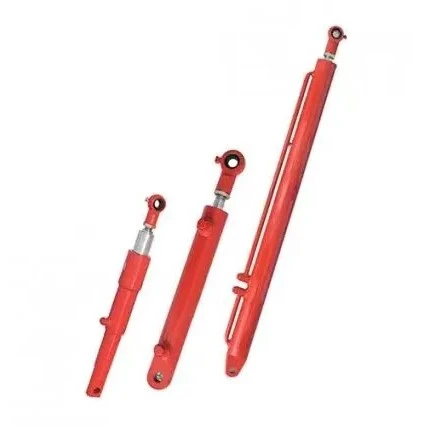
So, what can you do to protect your sprayer cylinder from the negative effects of poor water quality? The first step is to use a good water filtration system. A high - quality filter can remove most of the sediment and debris from the water before it enters the sprayer cylinder. There are different types of filters available, such as screen filters, sand filters, and cartridge filters. You should choose a filter that is appropriate for the type of water you're using and the level of contamination.
You can also treat the water to reduce the mineral content. Water softeners can be used to remove the calcium and magnesium ions from hard water, preventing scale buildup. There are also chemical treatments available that can adjust the pH of the water to a more neutral level, reducing the risk of corrosion.
Now, let's talk about how this all relates to other types of agricultural cylinders. For example, Rice Seedling Transport Cylinder and Corn Harvester Cylinder also rely on hydraulic systems that use fluids. While they may not be directly exposed to the same water - based spray liquids as sprayer cylinders, the quality of the hydraulic fluid they use is still crucial. Contaminants in the hydraulic fluid can cause similar problems, such as wear and tear on the cylinder components and reduced performance.
As a sprayer cylinder supplier, I've seen firsthand the damage that poor water quality can cause. That's why I always recommend to my customers to pay close attention to the water they're using. It's not just about protecting your investment in the sprayer cylinder; it's also about ensuring that your agricultural spraying operations are as effective as possible.
If you're in the market for a new sprayer cylinder or you're having problems with your current one, I'd love to help. I've got a wide range of high - quality sprayer cylinders that are designed to withstand the rigors of agricultural use. Whether you're a small - scale farmer or a large - scale agricultural operation, I can find the right cylinder for your needs.
Don't let poor water quality ruin your sprayer cylinder. Take the time to test your water, invest in proper filtration and treatment systems, and if you need a new cylinder, give me a shout. We can have a chat about your specific requirements and find the best solution for you.
In conclusion, the quality of the water you use in your agricultural spraying equipment can have a significant impact on the performance and lifespan of your sprayer cylinder. By being aware of the potential water quality issues and taking steps to address them, you can keep your sprayer cylinder running smoothly and your crops healthy. So, if you're looking to upgrade your sprayer cylinder or just need some advice on water quality, don't hesitate to reach out. Let's work together to make your agricultural operations more efficient and successful!
References
- "Agricultural Spraying Equipment Handbook", various industry experts
- "Water Quality and Its Impact on Hydraulic Systems", research papers from agricultural engineering institutions