

Household Water Pump
Why Choose Us
Cost control
With rich experience and efficient technology, we can effectively control production costs and installation costs, and provide customers with more competitive prices.
Quality assurance
We focus on product quality and installation quality to ensure that each product meets the highest standards, so that customers can rest assured during use.
Professional team
We have a professional design, manufacturing and installation team, they have rich industry experience and skills to provide customers with the best service.
Our Service
We provide pre-sales service in various forms, making investment budget, manufacturing, planning, so that customers can make a reasonable plan with less cost.
Household water pumps are generally used to transfer water from the rainwater tank to the house. Adding a pressure switch or pressure tank set up will automate the system.
-
![Domestic Sewage Lifting Pump]() Domestic Sewage Lifting PumpUnder the action of gravity, the sewage containing impurities will flow into the water inlet of the sewage drainage equipment and flow into the water collection tank of the equipment; When the...read more
Domestic Sewage Lifting PumpUnder the action of gravity, the sewage containing impurities will flow into the water inlet of the sewage drainage equipment and flow into the water collection tank of the equipment; When the...read more -
![Water Heater Circulation Pump]() Water Heater Circulation PumpOur recirculating pump is constructed with a heavy-duty stainless steel pump head, aluminum pump housing, and PES impeller, rust-proof, waterproof. Brass fittings and water-stop will come with the...read more
Water Heater Circulation PumpOur recirculating pump is constructed with a heavy-duty stainless steel pump head, aluminum pump housing, and PES impeller, rust-proof, waterproof. Brass fittings and water-stop will come with the...read more -
![Modern Pumps for Home Use]() Modern Pumps for Home UsePremium all steel construction ensures pump housing and discharge corrosion and abrasion resistance. The durable impellers are designed to provide high efficiency and stable performance you can...read more
Modern Pumps for Home UsePremium all steel construction ensures pump housing and discharge corrosion and abrasion resistance. The durable impellers are designed to provide high efficiency and stable performance you can...read more -
![Household Automatic Booster Pump]() Household Automatic Booster PumpApplicable to the duplex apartment, suburban villas, water heater pressurized, household water pressurized, and the solar water heater pressurized. Our water pressure pump especially suitable for...read more
Household Automatic Booster PumpApplicable to the duplex apartment, suburban villas, water heater pressurized, household water pressurized, and the solar water heater pressurized. Our water pressure pump especially suitable for...read more
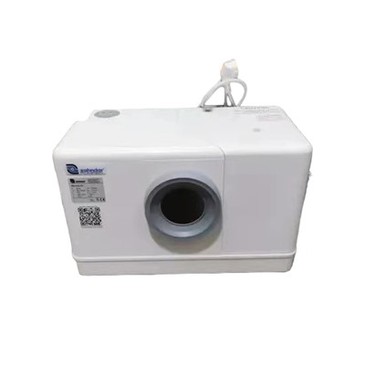


Different Types of Household Water Pumps
Multistage Household Water Pumps: This type of pump is the most popular as it provides great pressure and flow for a household application, and are very efficient. They are ideal for meduim to large homes, and long runs of piping.
Jet Household Water Pumps: Jet pumps are self priming which are ideal for long and difficult suction applications, like sucking from a dam or creek, they are less efficient but handle air alot better than the other household water pump types.
Variable Speed Pumps: This type of pump is the latest type, its new technology, bringing different types of household water pumps together with a variable speed motor, which is by far the most efficient and energy saving type on the market. The variable spped motor will only run at the required speed needed when pumping saving on electricity costs.
Submersible Household Water Pumps: A pump that can be in your tank or down a bore, most models available will be a multistage type as they need to provide good pressure to pump straight up before pumping around the house.
We all know that water is an essential part of our daily lives. From cooking and cleaning to taking refreshing showers, having a steady water supply is something we often take for granted. But have you ever wondered how that water reaches your taps with the perfect pressure, ensuring a seamless experience every time you turn them on?
Enter household water pumps, the unsung heroes behind this convenience. These unassuming devices work tirelessly behind the scenes, making sure that the water from your well, storage tank, or municipal supply is delivered to your faucets, showers, and appliances efficiently.
One of the primary functions of a household water pump is to boost the pressure of the water, ensuring that it reaches every corner of your home with sufficient force. This becomes especially important if you have multiple stories in your house, as gravity alone might not provide the required pressure for water to reach the upper floors.
But it's not just about pressure. Household water pumps also play a crucial role in maintaining the consistency of the water flow. A well-designed pump can help minimize these fluctuations, ensuring a smooth experience whether you're washing dishes, taking a shower, or watering your plants.
In addition to selecting the right pump, regular maintenance is key to ensuring its longevity and optimal performance. Having your pump serviced by professionals from time to time can prevent issues and keep your water supply running smoothly.
The next time you turn on the tap and enjoy a glass of clean water or take a relaxing shower, take a moment to appreciate the humble household water pump working quietly to make it all possible.
The Benefits of Household Water Pumps
A household water pump is a device that increases water pressure throughout your home by pumping water from the main supply line. Not only does it improve water pressure, but it can also help with energy efficiency and overall water usage.



Improved Water Pressure
The most obvious benefit of a household water pump is an improvement in water pressure. Low water pressure can be frustrating and it can affect everything from washing dishes to taking a shower. With a household water pump, you can say goodbye to weak flow and hello to powerful water pressure.
Energy Efficient
Household water pumps are extremely energy efficient. They can help reduce energy costs by lowering your home's overall water usage. When water pressure is low, appliances such as washing machines and dishwashers use more water to get the job done. With a household water pump, water pressure remains consistent, which can help reduce the amount of water used.
Increased Home Value
Not only will a household water pump improve your home's water pressure, but it can also increase the overall value of your home. Having a booster pump installed is an investment in your home, and potential buyers will see it as an added bonus when looking at your home.
Protects Appliances
Low water pressure can put added stress on appliances such as washing machines and dishwashers. This can lead to increased wear and tear and lower the lifespan of the appliance. With a household water pump, you can protect and extend the life of your appliances.
Eco-friendly
Installing a household water pump can also have a positive impact on the environment. By reducing overall water usage in your home, you are helping to conserve water resources and reduce your carbon footprint.
How to Tell if You Need a New Household Water Pump
Here are a few signs that your household water pump may be ready to be replaced:
Water Pressure Changes: If your water pressure changes unexpectedly throughout the home, it might be because of your pump. Call a professional to come take a look and determine the cause. A drop in water pressure can indicate countless issues, but all of them should be looked at by a professional.
Pump Noises: If machines make weird noises, that's probably a bad sign. That's also true of your well pump. Usually, it means that a part is loose or wearing out.
Faucets Spitting Water: Water spitting from faucets could indicate an issue with the air bladder in your pump.
Pumps Running Constantly: Well pumps aren't supposed to run all of the time. If you notice that your water usage hasn't changed, but your pump is constantly running, it may be time for a replacement.
Sediment In The Water: Pumps are supposed to filter out sediment from the water. If you notice sediment, then your filter may have an issue.
High Utility Bills: When something is wrong with your pump, it could cause it to run constantly or inefficiently. Your utility bill may raise a red flag before you notice something is amiss.
How to Properly Size a Household Water Pump
The next step to picking out the right household water pump is to make sure it is sized correctly. The most important factors to consider when sizing a household water pump come down to GPM/PSI ratings, inlet/outlet size for water and hoses, how high you'll need to pump the water (measured in vertical feet), referred to as total head lift, and how far you'll need to pump the water horizontally.
Total head lift (THL), suction head (SH), and gallons per minute (GPM) ratings are all important measurements to guide you when sizing any water pump because they help determine how much water the pump is capable of moving, and how quickly the pump can accomplish the task.
Suction head is the vertical distance pumped from the water source to the pump. The higher you need to pump water, the harder the pump fights gravity to do so. This number is particularly important for deep well applications or draining a pond.
Total head lift is the total height from the water source to the final destination this number will give you the estimated "power" a pump has to move water over a distance.
Gallons per minute is a measurement of how many gallons the pump can move per minute.
Factors to Consider When Choosing a Household Water Pump
Choosing the right household water pump for a residential property requires careful consideration of various factors. Key points to consider include:
Water Source
Determine whether the water source is a well, underground, or storage tank. The depth of the water source will influence the type of pump required.
Water Consumption
Consider the water consumption requirements, including the number of fixtures, appliances, and irrigation systems connected to the pump. This step will help determine the required flow rate and pressure.
Pump Capacity
Ensure that the pump's capacity matches the water consumption needs. An undersized pump may result in inadequate water supply, while an oversized pump may lead to unnecessary energy consumption.
Power Source
Determine the pump's available power source. Some pumps are powered by electricity, gas, or solar energy. Choose a pump that is compatible with the available power source.
Maintenance And Durability
Consider the pump's maintenance requirements and durability. Look for pumps constructed with quality materials and a good track record of reliability. Easy maintenance and spare parts availability should also be considered.
Household Water Pump Maintenance
A household water pump maintenance programme would generally involve a periodic check of the household water pump performance, an inspection of the wearing parts and lubrication of bearings and joints. It is good practice to carry out a visual inspection of the household water pump installation on a daily basis. Spotting an issue early is one of the best methods of trouble shooting and preventing household water pump breakdown. Most of the things to look out for should be easily visible, these include:
● Leaks: Check the household water pump and pipework for any leaks that need to be dealt with, as they will result in reduced performance and loss of household water pump output as well as mess. Common leaking points are from the stuffing box or the mechanical seals. Mechanical seals are a wearing part and need to be routinely replaced.
● Unusual Noise: One of the first signs of a problem with your household water pump is noise. Like anything with a motor, a consistent hum when the household water pump is running is quite normal. However, abnormally loud noises or a clunking or crunching sound is likely to indicate an issue e.G. Worn bearings. A popping sound, particularly if it is near the impeller, could mean the household water pump is experiencing cavitation which can cause a lot of damage.
● Extreme Vibration: A properly installed, well working household water pump should not overly vibrate, and therefore any level of vibration deemed excessive should be investigated. Common causes include impeller imbalance, damage and misalignment of the household water pump and motor.
● Corrosion: Rusting, cracking or discoloration of the household water pump casing or pipework need to be acted on immediately as these are all signs of corrosion. Corrosion can not only result in household water pump failure through a weakening of the casing and components, but also contamination of the fluid being household water pumped.
● Overheating: The household water pump, motor or bearings getting really hot is not something that should be ignored as it always indicates some form of problem. Some explanations may be internal rubbing/wearing of parts, that the wrong power has been put into the household water pump, the household water pump has been running against a dead head or that it has been running at a duty it cannot efficiently maintain.
● Clogging: The presence of solids can result in the clogging of impellers or valves if the household water pump is not capable of handling the size of the solids that have attempted to pass through. You will usually notice clogging quite quickly as the household water pump will not be delivery the same quantities of fluid.
Our Factory
Qingzhou Ruidiante Trading Co., LTD .The company was established on January 24, 2024 and is located at No. 1503, Building 13, Haitian Chenyun, Yunmenshan Street, Qingzhou City, Weifang City, Shandong Province.

FAQ
As one of the most professional household water pump manufacturers and suppliers in China, we're featured by quality products and good service. Please rest assured to buy high-grade household water pump made in China here from our factory.
water pump, Household garden Booster Pump