

Hey there! As a household water pump supplier, I've been getting a lot of questions lately about the difference between solar - powered and electric household water pumps. So, I thought I'd write this blog to clear things up.
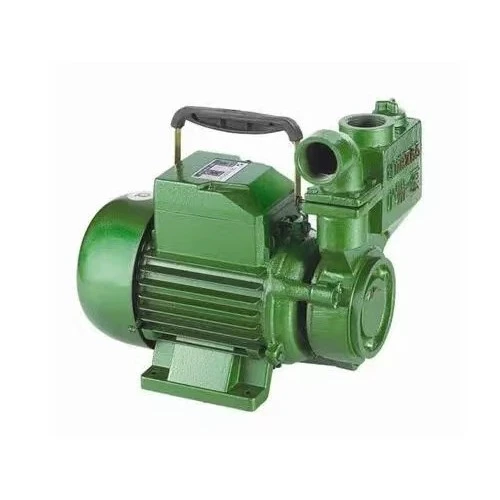
Let's start with the basics. An electric household water pump is the more traditional option. You plug it into an electrical outlet, and it uses electricity from the grid to operate. It's been around for a long time, and most people are familiar with how it works.
On the other hand, a solar - powered water pump runs on energy collected from the sun. It has solar panels that capture sunlight and convert it into electricity, which then powers the pump.
Power Source
The most obvious difference between the two is the power source. Electric pumps rely on the electrical grid. This means that as long as there's electricity available in your area, the pump will work. It's a reliable option, especially in areas with a stable power supply.
However, if there's a power outage, your electric pump won't work. This can be a real problem, especially if you rely on your water pump for things like drinking water or irrigation.
Solar - powered pumps, on the other hand, are not dependent on the grid. They can work even in remote areas where there's no access to electricity. This makes them a great option for off - grid homes, farms, or other locations that are far from power lines.
But solar pumps do have a limitation. They need sunlight to work. So, on cloudy days or at night, the pump may not operate at full capacity or may not work at all. Some solar pumps come with batteries that can store the energy collected during the day, which can be used to power the pump when there's no sunlight.
Cost
When it comes to cost, there are a few things to consider. The initial cost of a solar - powered water pump is usually higher than that of an electric pump. Solar panels and the associated equipment can be expensive.
However, over the long term, solar pumps can save you money. You don't have to pay for electricity to run them, which can result in significant savings on your energy bills. In addition, many governments offer incentives and subsidies for installing solar - powered systems, which can help offset the initial cost.
Electric pumps, on the other hand, have a lower upfront cost. But you'll have to pay for the electricity they use. The cost of electricity can vary depending on your location and the amount of water you pump, but it can add up over time.
Maintenance
Maintenance is another important factor. Electric pumps are relatively simple machines. They have fewer moving parts compared to some other types of pumps, and as long as they're properly installed and maintained, they can last for a long time.
Regular maintenance usually involves checking the electrical connections, lubricating the moving parts, and replacing any worn - out components. You may also need to clean the pump periodically to prevent clogs.
Solar - powered pumps have a bit more complex maintenance requirements. In addition to the regular maintenance of the pump itself, you also have to take care of the solar panels. The panels need to be kept clean to ensure maximum sunlight absorption. You'll also need to check the batteries (if your pump has them) regularly to make sure they're working properly.
Environmental Impact
If you're concerned about the environment, solar - powered pumps are the clear winner. They produce zero emissions during operation because they use renewable energy from the sun. By using a solar pump, you're reducing your carbon footprint and helping to protect the environment.
Electric pumps, depending on how the electricity is generated, can have a significant environmental impact. If the electricity comes from fossil - fuel power plants, then the pump is indirectly contributing to air pollution and greenhouse gas emissions.
Applications
Both types of pumps have different applications. Electric pumps are great for homes in urban and suburban areas where there's a reliable power supply. They're commonly used for things like boosting water pressure in the house, circulating water in a water heater, or filling a swimming pool.
You can check out Modern Pumps for Home Use and Household Automatic Booster Pump for more information on electric pumps suitable for these applications.
Solar - powered pumps are ideal for remote locations, farms, and off - grid homes. They're often used for irrigation, providing water for livestock, or supplying water to a small cabin. If you're interested in a pump for a water heater, you can look at Water Heater Circulation Pump.
Which One Should You Choose?
So, which type of pump is right for you? Well, it depends on your specific needs and circumstances. If you live in an area with a stable power supply and don't want to deal with the higher upfront cost of a solar pump, then an electric pump may be the best option for you.

On the other hand, if you're in a remote area or want to reduce your energy bills and environmental impact, a solar - powered pump could be a great choice.
As a household water pump supplier, I can help you figure out which pump is best for your situation. Whether you need an electric pump for your city home or a solar - powered pump for your off - grid farm, I've got you covered. If you're interested in purchasing a water pump or have any questions, feel free to reach out. We can have a detailed discussion about your requirements and find the perfect pump for you.
References
- General knowledge from years of experience in the household water pump industry.
- Industry reports on the performance and cost - effectiveness of solar and electric water pumps.