

Can a household water pump be used for a swimming pool?
As a household water pump supplier, I often receive inquiries from customers about the versatility of our pumps. One common question that comes up is whether a household water pump can be used for a swimming pool. In this blog post, I'll delve into this topic, exploring the possibilities, limitations, and factors to consider when contemplating using a household water pump for your swimming pool.
Understanding Household Water Pumps
Before we dive into the suitability of household water pumps for swimming pools, let's first understand what these pumps are and what they are typically used for. Household water pumps are designed to meet the water supply needs within a home. They come in various types, each serving a specific purpose.
One type is the Domestic Sewage Lifting Pump, which is used to move wastewater from lower levels of a building, such as basements, to the main sewer line. Another type is the Modern Pumps for Home Use, which are often used for general water supply, such as drawing water from a well or boosting water pressure in a home's plumbing system. The Household Automatic Booster Pump is specifically designed to increase water pressure when the existing pressure is insufficient.
Factors to Consider for Using a Household Water Pump in a Swimming Pool
-
Flow Rate
The flow rate of a pump is the volume of water it can move in a given amount of time, usually measured in gallons per minute (GPM) or liters per minute (LPM). Swimming pools require a certain flow rate to ensure proper circulation and filtration. A household water pump may have a lower flow rate compared to pumps specifically designed for swimming pools. For a small above - ground pool, a household pump with a relatively high flow rate might be sufficient. However, for larger in - ground pools, a household pump may not be able to circulate the water effectively, leading to poor water quality and potential algae growth.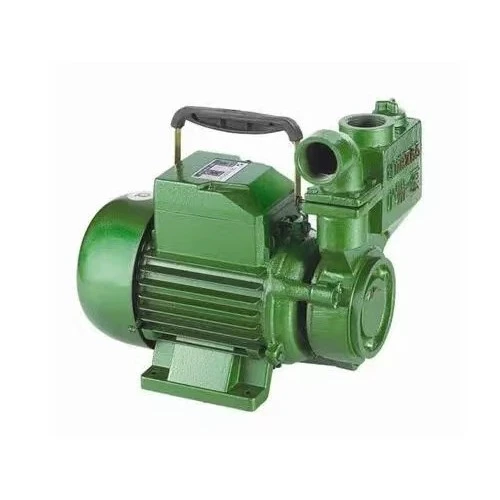

-
Head Pressure
Head pressure refers to the resistance the pump has to overcome to move water. When pumping water to a swimming pool, the pump needs to lift the water to the pool's height and also overcome the friction in the pipes. Household water pumps are typically designed for relatively low head pressures within a home's plumbing system. If the swimming pool is located at a significant height or if the pipes are long and narrow, the household pump may struggle to provide enough pressure to move the water efficiently. -
Filtration and Water Quality
Swimming pools require proper filtration to keep the water clean and safe for swimming. Pool pumps are often designed to work in conjunction with pool filters. A household water pump may not be compatible with the filtration system of a swimming pool. Without proper filtration, the pool water can become dirty and unhygienic. -
Durability
Swimming pool pumps are built to withstand continuous operation and exposure to water and chemicals. Household water pumps, on the other hand, are designed for intermittent use within a home environment. Using a household water pump for a swimming pool may lead to premature wear and tear, reducing the pump's lifespan.
Situations Where a Household Water Pump Might Work
-
Small Above - Ground Pools
If you have a small above - ground pool with a relatively low water volume, a household water pump with a suitable flow rate and head pressure might be able to handle the task. For example, a small inflatable pool or a kiddie pool may not require a high - powered pump. In such cases, a household water pump can be a cost - effective alternative. -
Emergency Situations
In an emergency, such as when your regular pool pump breaks down and you need to keep the water circulating temporarily, a household water pump can be used as a stop - gap measure. However, this should only be a short - term solution until you can repair or replace the proper pool pump.
Making the Right Decision
If you're considering using a household water pump for your swimming pool, it's important to carefully assess your pool's requirements. Measure the pool's volume, the height of the pool, and the length and diameter of the pipes. Compare these values with the specifications of the household water pump.
It's also advisable to consult with a professional. A pool technician or a water pump expert can provide valuable insights based on your specific situation. They can help you determine whether a household water pump is a viable option or if you should invest in a pump specifically designed for swimming pools.
Contact Us for Your Water Pump Needs
If you're still unsure about whether a household water pump is suitable for your swimming pool or if you're looking for the right water pump for your home or pool, we're here to help. As a trusted household water pump supplier, we have a wide range of pumps to meet different needs. Our team of experts can provide you with detailed information and guidance to ensure you make the best decision. Whether you need a pump for your swimming pool, your home's water supply, or sewage lifting, we've got you covered. Reach out to us for a consultation and let's discuss your requirements.
References
- "Pool Pump Handbook" by Pool Equipment Manufacturers Association
- "Water Pump Basics for Homeowners" by Home Improvement Magazine