

Hey there! As a gas generator supplier, I've seen firsthand the wide - ranging uses of these machines, from powering farms to keeping industries running and even providing backup power at home. But it's important to talk about the environmental impacts of gas generators. Let's dig in and see what's going on.
Air Pollution
One of the most significant environmental impacts of gas generators is air pollution. When gas generators burn fuel, they release a variety of pollutants into the air. The main culprits are carbon monoxide (CO), nitrogen oxides (NOx), and particulate matter (PM).
Carbon monoxide is a colorless and odorless gas that can be extremely dangerous. It's produced when there's incomplete combustion of the fuel in the generator. When inhaled, CO binds to hemoglobin in the blood, reducing its ability to carry oxygen. This can lead to headaches, dizziness, nausea, and in severe cases, even death. In an enclosed or poorly - ventilated area, the concentration of CO can quickly reach dangerous levels.
Nitrogen oxides are formed when nitrogen in the air reacts with oxygen at high temperatures during the combustion process. NOx is a major contributor to smog and acid rain. Smog can cause respiratory problems, especially for people with asthma or other lung conditions. Acid rain, on the other hand, can damage forests, lakes, and buildings. It changes the pH of soil and water bodies, harming plants and aquatic life.
Particulate matter consists of tiny solid or liquid particles suspended in the air. These particles can be inhaled deep into the lungs and cause a range of health problems, including lung cancer, heart disease, and respiratory infections. The smaller the particles, the more harmful they are, as they can penetrate deeper into the respiratory system.
Greenhouse Gas Emissions
Gas generators also contribute to greenhouse gas emissions, primarily carbon dioxide (CO₂). CO₂ is a major greenhouse gas that traps heat in the Earth's atmosphere, leading to global warming and climate change. When gas is burned in a generator, carbon atoms in the fuel combine with oxygen from the air to form CO₂.
The amount of CO₂ emitted depends on several factors, such as the type of gas used, the efficiency of the generator, and the load at which it operates. Natural gas, which is a common fuel for gas generators, generally produces less CO₂ per unit of energy compared to coal or oil. However, even with natural gas, the cumulative emissions from a large number of gas generators can have a significant impact on the climate.
Noise Pollution
Another environmental impact that's often overlooked is noise pollution. Gas generators can be quite noisy, especially when they're running at full capacity. The noise can be a nuisance to people living or working nearby. Prolonged exposure to high - level noise can cause hearing loss, stress, sleep disturbances, and even affect cognitive performance.
For example, in a residential area, a gas generator running during a power outage can disrupt the peace and quiet of the neighborhood. In an industrial setting, the constant noise from multiple generators can create a hostile work environment for employees.
Waste Generation
Gas generators also generate waste. This includes used oil, filters, and other components that need to be replaced over time. Used oil is a hazardous waste that can contaminate soil and water if not disposed of properly. It contains heavy metals and other pollutants that can have long - term environmental impacts.
Filters, on the other hand, can become clogged with dirt and debris during operation. If these filters are not replaced regularly, the performance of the generator can decline, and it may emit more pollutants. When the filters are replaced, they need to be disposed of in an environmentally friendly way.
Positive Environmental Aspects
It's not all bad news, though. Gas generators do have some positive environmental aspects compared to other power sources. As I mentioned earlier, natural gas - powered generators generally produce fewer greenhouse gas emissions than coal - fired power plants. They also tend to be more efficient, which means they can produce more electricity per unit of fuel.
In some cases, gas generators can be used in conjunction with renewable energy sources, such as solar panels or wind turbines. During periods when the renewable energy supply is low, the gas generator can kick in to provide additional power. This hybrid approach can help reduce the overall reliance on fossil fuels and lower greenhouse gas emissions.
Types of Gas Generators and Their Environmental Impact
Let's take a look at different types of gas generators and how their environmental impacts might vary.
- Agricultural Gas Generators: These generators are used on farms to power irrigation systems, machinery, and other equipment. In rural areas, they can be a reliable source of power, especially in areas where the grid is unstable. However, they still contribute to air and noise pollution. Since farms are often located in areas with a lot of open space, the impact of noise pollution may be less of a concern. But the air pollution can still affect the health of farm workers and nearby wildlife.
- Industrial Gas Generators: Industrial gas generators are used in factories, mines, and other industrial facilities. They are often larger and more powerful than agricultural or home generators. This means they can produce more emissions and noise. However, many industrial facilities are required to meet strict environmental regulations, which can help reduce the impact of these generators. For example, some industrial generators are equipped with advanced emission control technologies to reduce the release of pollutants.
- Home Gas Generators: These generators are used to provide backup power during power outages. They are typically smaller than industrial or agricultural generators. While they may not produce as much pollution as larger generators, they can still be a source of air and noise pollution, especially if they are used frequently. Homeowners should make sure to operate their generators in a well - ventilated area to reduce the risk of carbon monoxide poisoning.
Minimizing the Environmental Impact
As a gas generator supplier, I'm committed to helping my customers minimize the environmental impact of their generators. Here are some tips:
- Choose the Right Generator: Select a generator that is the appropriate size for your needs. An oversized generator will consume more fuel and produce more emissions than necessary.
- Maintain Your Generator: Regular maintenance is crucial to keep your generator running efficiently. This includes changing the oil, filters, and spark plugs on a regular basis. A well - maintained generator will produce fewer emissions and operate more quietly.
- Use Clean Fuel: Whenever possible, use high - quality, clean - burning fuel. This can help reduce the amount of pollutants released during combustion.
- Install Emission Control Devices: Some generators can be equipped with emission control devices, such as catalytic converters, to reduce the release of pollutants.
Conclusion
Gas generators are a valuable source of power, but they do have environmental impacts. As a supplier, I understand the importance of balancing the need for reliable power with environmental protection. By being aware of the environmental impacts and taking steps to minimize them, we can ensure that gas generators continue to be a useful tool without causing excessive harm to the environment.
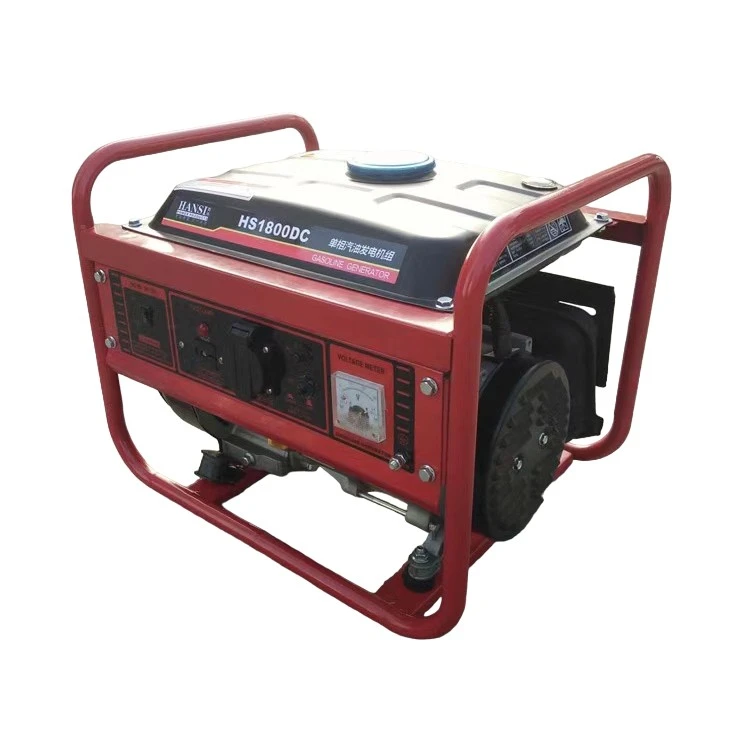

If you're in the market for a gas generator, whether it's an Agricultural Gas Generator, an Industrial Gas Generator, or a Home Gas Generator, I'd love to help you find the right one for your needs. Contact me for more information and let's start a conversation about how we can meet your power requirements while being environmentally responsible.
References
- "Air Pollution from Fossil Fuel Combustion and Its Impact on Health". World Health Organization.
- "Climate Change 2021: The Physical Science Basis". Intergovernmental Panel on Climate Change.
- "Noise Pollution: A Modern Epidemic". American Academy of Otolaryngology - Head and Neck Surgery.