

A sprayer cylinder is a crucial component in agricultural machinery, ensuring the efficient and effective operation of spraying systems. Over time, the filter in a sprayer cylinder can become clogged with dirt, debris, and other contaminants, which can reduce the performance of the sprayer and potentially damage the equipment. As a reputable Sprayer Cylinder supplier, we understand the importance of maintaining your sprayer cylinder in optimal condition. In this blog post, we will provide you with a step-by-step guide on how to replace the filter in a sprayer cylinder, along with some useful tips and best practices.
Understanding the Importance of Filter Replacement
The filter in a sprayer cylinder plays a vital role in protecting the internal components of the cylinder from damage. It traps dirt, debris, and other contaminants that can enter the system through the fluid, preventing them from reaching the sensitive parts of the cylinder such as the piston, seals, and valves. A clogged filter can restrict the flow of fluid, causing the pump to work harder and potentially leading to overheating and premature wear of the components. By regularly replacing the filter, you can ensure the smooth and efficient operation of your sprayer cylinder, extend its lifespan, and reduce the risk of costly repairs.

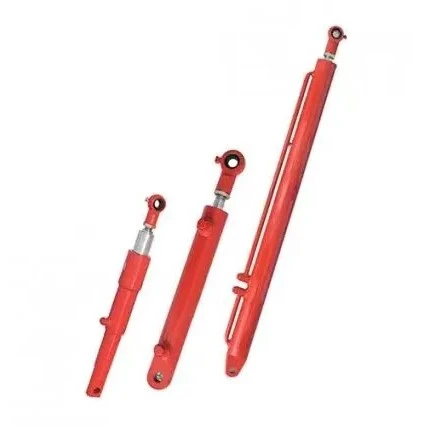
Tools and Materials Needed
Before you begin the filter replacement process, it is important to gather all the necessary tools and materials. Here is a list of items you will need:
- Replacement filter: Make sure to choose a filter that is compatible with your sprayer cylinder. You can refer to the manufacturer's specifications or consult with our team of experts to ensure you select the right filter.
- Wrench set: You will need a set of wrenches to remove and install the filter housing.
- Container: To collect the fluid that will drain out of the cylinder when you remove the filter.
- Cleaning cloth: To wipe down the filter housing and other components.
- Safety gloves and goggles: To protect your hands and eyes from any potential hazards.
Step-by-Step Guide to Replacing the Filter
Step 1: Prepare the Sprayer Cylinder
- Turn off the sprayer and disconnect it from the power source to prevent any accidental activation.
- Release the pressure in the system by opening the pressure relief valve or following the manufacturer's instructions.
- Place a container beneath the filter housing to catch any fluid that may drain out.
Step 2: Locate the Filter Housing
The filter housing is usually located near the pump or on the side of the sprayer cylinder. Refer to the user manual or the manufacturer's website for the exact location of the filter housing in your specific model.
Step 3: Remove the Filter Housing
- Use a wrench to loosen the bolts or nuts that hold the filter housing in place.
- Carefully remove the filter housing and set it aside. Be cautious as there may still be some fluid in the housing.
Step 4: Remove the Old Filter
- Take out the old filter from the housing. You may need to use a pair of pliers or a filter removal tool to grip the filter and pull it out.
- Inspect the old filter for any signs of damage or excessive dirt and debris. If the filter is severely clogged or damaged, it is a clear indication that it needs to be replaced.
Step 5: Clean the Filter Housing
- Use a cleaning cloth to wipe down the inside of the filter housing, removing any dirt, debris, or residue.
- Inspect the housing for any signs of damage or wear. If you notice any cracks or leaks, it may be necessary to replace the housing.
Step 6: Install the New Filter
- Take the new filter and ensure that it is the correct size and type for your sprayer cylinder.
- Insert the new filter into the housing, making sure it is properly seated and aligned.
- Apply a small amount of lubricant to the gasket or O-ring on the filter housing to ensure a tight seal.
Step 7: Reinstall the Filter Housing
- Carefully place the filter housing back onto the sprayer cylinder.
- Use a wrench to tighten the bolts or nuts that hold the housing in place. Make sure not to overtighten, as this can damage the housing or the filter.
Step 8: Refill the System with Fluid
- Check the fluid level in the reservoir and add the appropriate type and amount of fluid as recommended by the manufacturer.
- Prime the pump to remove any air from the system and ensure proper fluid circulation.
Step 9: Test the Sprayer Cylinder
- Reconnect the sprayer to the power source and turn it on.
- Check for any leaks or abnormal noises. If you notice any issues, turn off the sprayer immediately and inspect the system for any problems.
- Test the sprayer by operating it for a few minutes to ensure that it is working properly.
Tips and Best Practices
- Follow the manufacturer's recommendations: Always refer to the user manual or the manufacturer's website for the specific instructions and maintenance schedule for your sprayer cylinder.
- Replace the filter regularly: As a general rule, it is recommended to replace the filter every [X] hours of operation or at least once a season, depending on the frequency of use and the operating conditions.
- Use high-quality filters: Investing in high-quality filters can ensure better performance and longer lifespan for your sprayer cylinder.
- Keep spare filters on hand: Having spare filters readily available can save you time and prevent downtime in case of a filter failure.
- Maintain a clean working environment: When replacing the filter, make sure to work in a clean and dust-free area to prevent any contaminants from entering the system.
Other Agricultural Machinery Cylinders
In addition to Sprayer Cylinder, we also offer a wide range of other agricultural machinery cylinders, including Corn Harvester Cylinder and Rice Seedling Transport Cylinder. These cylinders are designed to meet the specific needs and requirements of different agricultural applications, providing reliable and efficient performance.
Contact Us for Procurement and Consultation
If you have any questions or need further assistance with replacing the filter in your sprayer cylinder or if you are interested in purchasing our high-quality agricultural machinery cylinders, please feel free to contact us. Our team of experts is always ready to provide you with professional advice and support. We are committed to providing our customers with the best products and services, ensuring your satisfaction and the success of your agricultural operations.
References
- Manufacturer's user manual for the sprayer cylinder.
- Industry standards and best practices for agricultural machinery maintenance.