

Hey there! As a supplier of Sprayer Cylinders, I often get asked about the special requirements for filling these bad boys. So, let's dive right in and explore what you need to know.
First off, let's talk about the basics. A Sprayer Cylinder is a crucial part of any spraying system. It's responsible for creating the pressure needed to spray the liquid evenly over the target area. Whether you're spraying pesticides on a farm or cleaning a large surface, the sprayer cylinder plays a vital role.
Compatibility of the Liquid
One of the most important requirements for filling a sprayer cylinder is ensuring the compatibility of the liquid you're using. Different sprayer cylinders are designed to work with specific types of liquids. For example, some cylinders are made to handle water-based solutions, while others can handle more corrosive chemicals like pesticides or fertilizers.

Using an incompatible liquid can cause serious damage to the cylinder. It can corrode the internal components, leading to leaks and reduced performance. So, before you fill your sprayer cylinder, always check the manufacturer's guidelines to make sure the liquid you're using is suitable.
Filtration
Another key requirement is proper filtration. When you're filling the sprayer cylinder, you need to make sure that the liquid is free from any debris or particles. Even small particles can clog the nozzles and valves in the sprayer, affecting the spray pattern and reducing the efficiency of the system.
Most sprayers come with built-in filters, but it's still a good idea to use an additional pre-filter when filling the cylinder. This extra layer of filtration can help catch any larger particles that might have made it through the main filter. It's a simple step that can save you a lot of headaches down the road.
Pressure and Volume
You also need to pay attention to the pressure and volume requirements of the sprayer cylinder. Overfilling the cylinder can cause excessive pressure, which can lead to leaks or even damage the cylinder itself. On the other hand, underfilling the cylinder can result in inconsistent spraying and reduced coverage.
The manufacturer's specifications will tell you the maximum and minimum volume of liquid that the cylinder can hold, as well as the recommended pressure range. Make sure to follow these guidelines carefully to ensure optimal performance.

Temperature and Environment
The temperature and environment in which you're filling the sprayer cylinder can also have an impact. Extreme temperatures can affect the viscosity of the liquid, which in turn can affect the performance of the sprayer. For example, in cold weather, some liquids may become thicker and more difficult to pump.
Similarly, the humidity and air quality in the environment can also play a role. High humidity can cause condensation inside the cylinder, which can lead to rust and corrosion. So, try to fill the cylinder in a clean, dry, and well-ventilated area.
Safety Precautions
Safety should always be your top priority when filling a sprayer cylinder. Many of the liquids used in sprayers, such as pesticides and chemicals, can be hazardous to your health. Make sure to wear appropriate protective gear, such as gloves, goggles, and a respirator, when handling these liquids.
Also, be careful when handling the cylinder itself. It's a heavy and sometimes delicate piece of equipment. Make sure it's properly secured before filling to prevent it from tipping over or falling.
Maintenance and Inspection
After filling the sprayer cylinder, it's important to perform regular maintenance and inspections. Check for any signs of leaks, damage, or wear and tear. Make sure the seals are in good condition and that all the connections are tight.

Regular maintenance can help extend the lifespan of the sprayer cylinder and ensure that it continues to perform at its best. It's also a good idea to keep a record of your maintenance and inspections, so you can track the performance of the cylinder over time.
Comparison with Other Agricultural Cylinders
It's interesting to compare the requirements for filling a sprayer cylinder with other agricultural cylinders, like the Corn Harvester Cylinder and the Rice Seedling Transport Cylinder.
The Corn Harvester Cylinder is used in the harvesting process, and it needs to be filled with a hydraulic fluid that can withstand high pressures and heavy loads. The requirements for filling this cylinder are more focused on the quality and performance of the hydraulic fluid.
On the other hand, the Rice Seedling Transport Cylinder is used for transporting rice seedlings, and it may need to be filled with a different type of fluid depending on the specific design and function of the cylinder.
Each of these cylinders has its own unique requirements, but the basic principles of compatibility, filtration, and safety still apply.
Conclusion
So, there you have it! There are definitely some special requirements for filling a sprayer cylinder. From ensuring the compatibility of the liquid to following the pressure and volume guidelines, every step is important to ensure the optimal performance of the sprayer.
If you're in the market for a high-quality Sprayer Cylinder or have any questions about filling or maintaining one, don't hesitate to reach out. We're here to help you find the right solution for your needs. Whether you're a farmer, a landscaper, or a professional in the agricultural industry, we've got you covered.
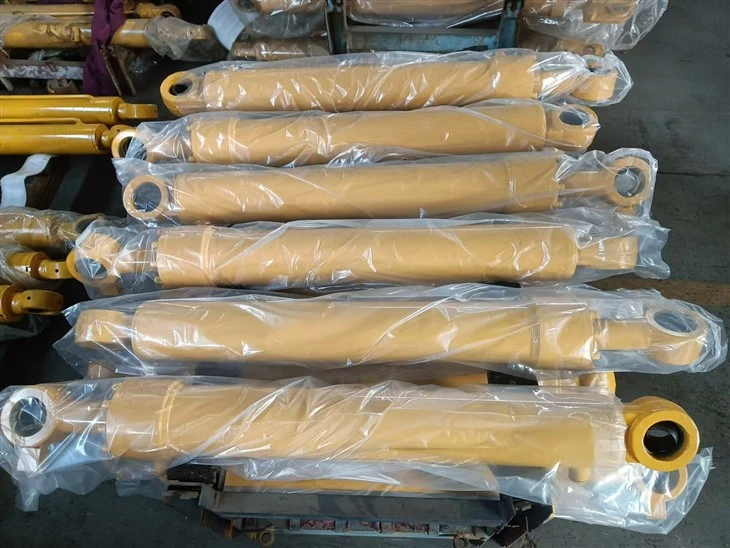
Let's start a conversation and see how we can work together to make your spraying operations more efficient and effective. Contact us today to discuss your requirements and get a quote.
References
- Agricultural Machinery Handbook: This comprehensive guide provides detailed information on the operation and maintenance of various agricultural equipment, including sprayer cylinders.
- Manufacturer's Manuals: The manuals provided by the manufacturers of sprayer cylinders are a great source of information on filling requirements, safety precautions, and maintenance.