

When it comes to household water pumps, one of the most frequently asked questions is, "What is the maximum flow rate a household water pump can achieve?" Well, I'm here to shed some light on this topic as a supplier of household water pumps.

First off, let's understand what flow rate means. In simple terms, the flow rate of a water pump is the volume of water it can move in a given amount of time. It's usually measured in gallons per minute (GPM) or liters per minute (LPM). The maximum flow rate a household water pump can reach depends on several factors.
Factors Affecting the Maximum Flow Rate
Pump Type
There are different types of household water pumps, each with its own capabilities. For example, submersible pumps are designed to be placed underwater, typically in a well. These pumps can often achieve relatively high flow rates because they don't have to work against gravity as much to draw water. On the other hand, jet pumps are installed above ground and use suction to draw water. They might have a lower maximum flow rate compared to submersible pumps, especially when the water source is deep.
If you're interested in modern pumps for home use, you can check out Modern Pumps for Home Use. This page has a great selection of pumps that are designed to meet various household needs.
Pump Size and Power
Just like with most things, bigger isn't always better, but in the case of water pumps, size and power do matter. A larger pump with a more powerful motor generally has the potential to achieve a higher flow rate. However, it's important to match the pump size and power to your specific requirements. If you have a small household with low water demand, a large, high - powered pump might be overkill and could end up wasting energy.
Pipe Diameter and Length
The diameter and length of the pipes connected to the pump also play a crucial role. A larger diameter pipe allows water to flow more freely, reducing resistance and enabling a higher flow rate. Conversely, a long and narrow pipe can create more friction, which slows down the water flow and decreases the overall flow rate. So, when installing a water pump, it's essential to choose the right pipe size and keep the pipe length as short as possible.
Water Source Depth and Pressure
The depth of your water source, whether it's a well or a cistern, affects the pump's performance. If the water source is deep, the pump has to work harder to lift the water, which can limit the flow rate. Additionally, the existing water pressure in your system can impact the pump's ability to increase the flow rate. For instance, if your municipal water supply already has high pressure, a pump might not need to work as hard to achieve a decent flow rate.
Typical Maximum Flow Rates for Different Household Water Pumps
Booster Pumps
Booster pumps are used to increase the water pressure in a household plumbing system. They can be a great solution if you're experiencing low water pressure in your showers, faucets, or appliances. The maximum flow rate of a household booster pump can vary widely, but it typically ranges from 5 to 20 GPM (19 to 76 LPM). These pumps are relatively small and are designed to work with existing water systems to boost the pressure and flow.
If you're considering a booster pump, take a look at Household Automatic Booster Pump. It has all the details about our automatic booster pumps that can make your life a lot easier when it comes to getting consistent water pressure.
Circulation Pumps
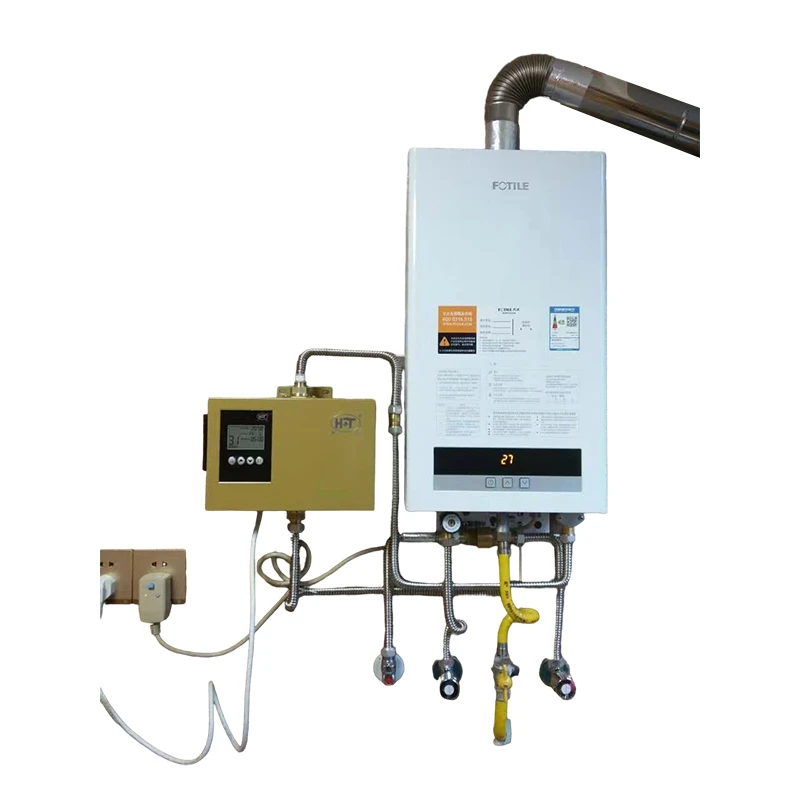
Circulation pumps are commonly used in hot water systems to keep the water circulating, ensuring that you have hot water on demand. These pumps usually have a lower maximum flow rate compared to booster pumps, typically around 2 to 10 GPM (7.6 to 38 LPM). Their main function is to maintain a constant flow of hot water, rather than providing a large volume of water at once.
For more information on circulation pumps, check out Water Heater Circulation Pump. You'll find a range of options that can help you keep your hot water system running smoothly.
Well Pumps
Well pumps are used to draw water from a well and supply it to a household. Submersible well pumps can achieve relatively high flow rates, often ranging from 10 to 40 GPM (38 to 151 LPM) or more, depending on the pump's size and power. Jet well pumps, as mentioned earlier, might have a lower maximum flow rate, usually between 5 and 20 GPM (19 to 76 LPM).
How to Choose the Right Pump for Your Needs
When selecting a household water pump, it's important to consider your specific water usage requirements. If you have a large family with high water demand, you'll need a pump with a higher maximum flow rate. On the other hand, if you live in a small apartment or have a low - water - consumption lifestyle, a smaller pump might be sufficient.
It's also a good idea to consult with a professional or an experienced supplier. We're here to help you make the right choice. We can assess your situation, take into account factors like your water source, plumbing system, and usage patterns, and recommend the best pump for you.
Conclusion
In summary, the maximum flow rate a household water pump can achieve depends on multiple factors, including the pump type, size, power, pipe diameter, water source depth, and existing water pressure. Different types of household water pumps, such as booster pumps, circulation pumps, and well pumps, have different typical maximum flow rates.
If you're in the market for a household water pump, we're here to assist you. Whether you need a pump with a high flow rate for a large household or a smaller pump for a more modest water demand, we have a wide range of options to choose from. Don't hesitate to reach out to us for more information and to start a purchase negotiation. We're confident that we can provide you with the perfect water pump solution for your home.
References
- "Water Pump Handbook" - A comprehensive guide on water pump technology and performance.
- Industry standards and guidelines for household water pumps.