

When it comes to ensuring a consistent and efficient water supply in our homes or industrial settings, water pumps play a crucial role. As a household water pump supplier, I often encounter customers who are confused about the differences between domestic and industrial household water pumps. In this blog post, I will delve into the key distinctions between these two types of pumps to help you make an informed decision for your specific needs.
Performance and Capacity
One of the most significant differences between domestic and industrial household water pumps lies in their performance and capacity. Domestic water pumps are designed to meet the water demands of a typical household, such as supplying water to faucets, showers, toilets, and appliances like washing machines and dishwashers. These pumps usually have a lower flow rate and pressure compared to industrial pumps, as they are tailored to handle smaller volumes of water.
For instance, a standard domestic water pump may have a flow rate ranging from 5 to 20 liters per minute (LPM) and a pressure of around 2 to 5 bars. This is sufficient to ensure a steady water supply for daily household activities. On the other hand, industrial household water pumps are built to handle much larger volumes of water and higher pressures. They are commonly used in commercial buildings, factories, and large-scale agricultural operations. Industrial pumps can have flow rates of hundreds or even thousands of LPM and pressures exceeding 10 bars.
Design and Construction
Another notable difference is in the design and construction of domestic and industrial water pumps. Domestic pumps are typically compact, lightweight, and easy to install. They are often designed for indoor use and are built with materials that are corrosion-resistant and durable enough to withstand the normal wear and tear of household use. These pumps are also relatively quiet in operation, which is an important consideration for residential settings.
In contrast, industrial water pumps are larger and more robustly constructed to withstand the harsh conditions of industrial environments. They are made from heavy-duty materials such as cast iron, stainless steel, or bronze to ensure long-term reliability and resistance to corrosion and abrasion. Industrial pumps may also feature advanced design elements such as multiple impellers, high-capacity motors, and specialized sealing systems to handle the high pressures and volumes of water they are required to pump.
Power Consumption
Power consumption is an important factor to consider when choosing a water pump. Domestic water pumps are generally more energy-efficient than industrial pumps because they are designed to operate at lower power levels. This is beneficial for homeowners as it helps to reduce electricity bills and minimize the environmental impact. Many modern domestic water pumps are equipped with energy-saving features such as variable speed drives, which adjust the pump's speed according to the water demand, further optimizing energy consumption.
Industrial water pumps, on the other hand, consume more power due to their larger size and higher performance requirements. However, they are often used in applications where the benefits of high-capacity water pumping outweigh the increased energy costs. To mitigate the energy consumption of industrial pumps, some manufacturers are developing more energy-efficient models that incorporate advanced technologies such as permanent magnet motors and intelligent control systems.
Cost
The cost of domestic and industrial water pumps can vary significantly. Domestic water pumps are generally more affordable than industrial pumps, as they are simpler in design and have lower performance capabilities. The price of a domestic water pump can range from a few hundred dollars to a couple of thousand dollars, depending on the brand, model, and features.
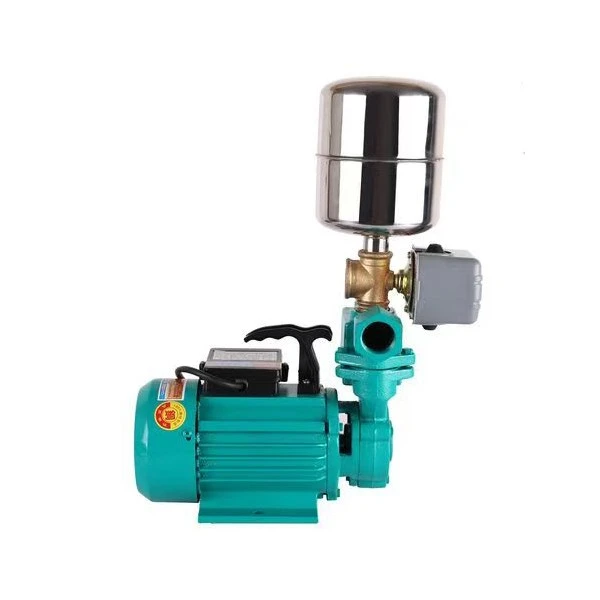
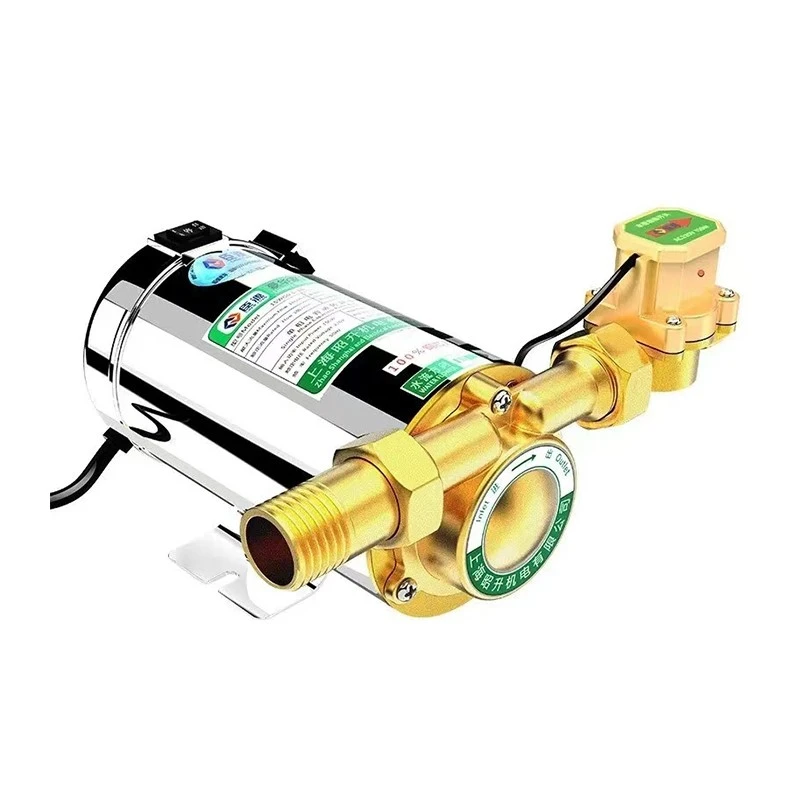
Industrial water pumps, on the other hand, are more expensive due to their larger size, higher performance, and more complex construction. The cost of an industrial water pump can start from several thousand dollars and go up to tens of thousands of dollars or more, depending on the specific requirements of the application.
Applications
Domestic water pumps are primarily used for residential applications, such as boosting water pressure in homes with low water pressure, supplying water to water heaters, and circulating water in small-scale irrigation systems. Some common types of domestic water pumps include Modern Pumps for Home Use, Household Automatic Booster Pump, and Water Heater Circulation Pump.
Industrial water pumps, on the other hand, are used in a wide range of commercial and industrial applications, such as water supply for large buildings, wastewater treatment, mining, and agricultural irrigation. They are also used in industrial processes such as cooling systems, boiler feed, and chemical processing.
Maintenance and Service
Maintenance and service requirements also differ between domestic and industrial water pumps. Domestic water pumps are relatively easy to maintain and service, as they are smaller and simpler in design. Homeowners can often perform basic maintenance tasks such as cleaning the pump, checking the seals, and replacing the filters themselves. However, for more complex repairs or servicing, it is recommended to seek the assistance of a professional plumber or pump technician.
Industrial water pumps, on the other hand, require more extensive maintenance and servicing due to their larger size and more complex construction. Regular maintenance tasks for industrial pumps may include inspecting the pump for wear and tear, lubricating the bearings, checking the alignment, and testing the electrical components. Industrial pump maintenance is typically carried out by trained technicians who have the necessary skills and equipment to ensure the safe and efficient operation of the pumps.
Conclusion
In conclusion, domestic and industrial household water pumps have several key differences in terms of performance, design, power consumption, cost, applications, and maintenance requirements. When choosing a water pump, it is important to consider your specific needs and requirements to ensure that you select the right pump for the job. As a household water pump supplier, I am committed to providing high-quality pumps and professional advice to help you make the best decision for your home or business.
If you are interested in purchasing a household water pump or have any questions about our products, please feel free to contact us for a consultation. Our team of experts will be happy to assist you in finding the perfect pump for your needs.
References
- Pump Handbook, by Igor J. Karassik, Joseph P. Messina, Paul Cooper, and Charles C. Heald.
- Water Pumping Systems: A Guide to Energy Efficiency, by the U.S. Department of Energy.
- Domestic Water Supply and Distribution, by M. A. Hamilton and J. A. Langford.