

Hey there! I'm a supplier of Ore Sand Ball Mills, and today I wanna have an open chat about the not - so - great parts of these machines. Yeah, I know it might seem a bit weird for a supplier to talk about the disadvantages, but I believe in being honest with you all.
High Energy Consumption
One of the most obvious drawbacks of an ore sand ball mill is its high energy consumption. These machines need a ton of power to operate. The motor has to work really hard to rotate the large drum that contains the grinding media and the ore sand. This constant, heavy - duty operation means a huge electricity bill. For small - scale mining operations or those on a tight budget, this can be a real deal - breaker. You see, energy costs are a significant part of the overall operational expenses. And with the increasing cost of electricity around the world, it's becoming even more of a burden.
Let's say you've got a small mining setup. You're trying to make a profit, but a large chunk of your earnings is going towards paying for the electricity to run the ball mill. It's like pouring money down the drain. Even for larger operations, the high energy consumption adds up over time, cutting into their profit margins.
Noise Pollution
Another big issue is the noise pollution caused by ore sand ball mills. When these machines are running, they make a really loud, continuous noise. It's not just a little bit of noise; it's the kind of noise that can be heard from quite a distance. This can be a major problem for workers in the mining area. Prolonged exposure to such high - level noise can lead to hearing loss and other health issues.
Moreover, if the mining site is near residential areas, it can cause a lot of complaints from the local community. No one wants to live near a place that's constantly making that kind of racket. It can also attract the attention of environmental regulators, who might impose fines or restrictions on the operation if the noise levels exceed the legal limits.
Maintenance Requirements
Ore sand ball mills are complex machines, and they require a lot of maintenance. The grinding media inside the drum, which is usually made of steel balls or rods, wears out over time. You have to replace them regularly to keep the mill working efficiently. And that's not all. The liners of the drum also get worn down due to the constant abrasion from the ore sand and the grinding media.
Replacing these parts is not only time - consuming but also expensive. You need to have a team of skilled technicians to carry out the maintenance work. And if there's a breakdown, it can halt the entire mining operation. This means lost production time and, of course, lost money. Sometimes, it can be difficult to get the replacement parts quickly, especially if they're not readily available in the local market. This can lead to even longer downtime.
Limited Particle Size Reduction Range
The ore sand ball mill has a limited range when it comes to particle size reduction. It can do a good job of grinding the ore sand to a certain size, but if you need a much finer particle size, it might not be the best option. There are other more specialized grinding machines that can achieve a finer grind.
For example, if you're working on a project that requires a very fine powder for a high - tech application, the ball mill might not be able to meet your requirements. You'd end up having to use additional processing steps or invest in other equipment, which adds to the cost and complexity of the operation.
Slow Processing Speed
In some cases, the processing speed of an ore sand ball mill can be quite slow. The grinding process takes time, especially if you're dealing with hard or large - sized ore particles. This can be a problem when you have a large volume of ore sand to process. You might find that the production rate is not fast enough to meet your business needs.
For instance, if you're trying to meet a tight deadline for delivering a certain amount of processed ore to a customer, the slow processing speed of the ball mill can put you in a difficult situation. You might have to run the machine for longer hours, which further increases the energy consumption and maintenance costs.
Environmental Impact
The operation of an ore sand ball mill can have a negative impact on the environment. The dust generated during the grinding process can be a major pollutant. If not properly controlled, the dust can spread into the air, causing air pollution. This can be harmful to both human health and the environment, as it can contain heavy metals and other toxic substances.
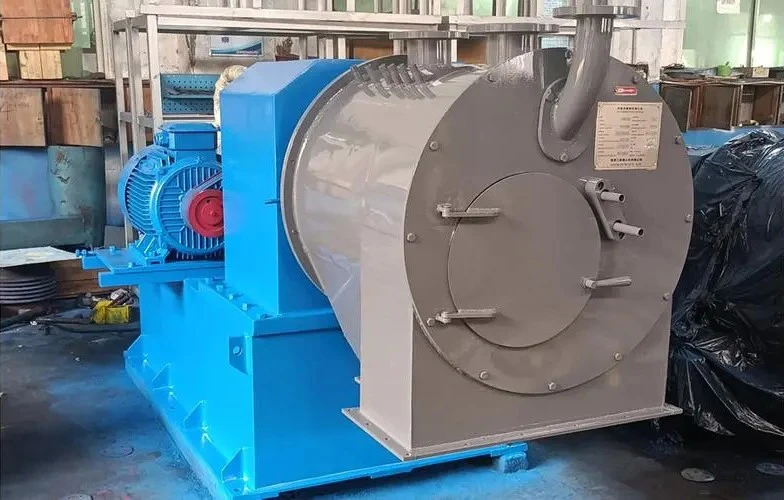

Also, the waste generated from the ball mill, such as the worn - out grinding media and liners, needs to be disposed of properly. If not, it can contaminate the soil and water sources in the area. This is a serious concern, especially in areas where water resources are scarce or where there are strict environmental regulations.
High Initial Investment
Buying an ore sand ball mill is not cheap. The initial investment required to purchase a good - quality ball mill is quite high. This can be a significant barrier for small - scale miners or new entrants in the mining industry. You need to have a substantial amount of capital upfront to get started.
And it's not just the cost of the machine itself. You also need to consider the cost of installation, which can be quite complex and might require the help of professional engineers. Then there are the costs associated with setting up the infrastructure, such as electrical connections and a suitable foundation for the mill. All these costs add up, making it a big financial commitment.
Compatibility Issues
Sometimes, ore sand ball mills might have compatibility issues with other equipment in the mining process. For example, if you're using other machines like the Ore Sand Drum Screen, Ore Sand Vibrating Screen, or Ore Sand Mixer, the output of the ball mill might not be in the right form or size to be processed effectively by these other machines.
This can lead to inefficiencies in the overall mining process. You might have to make adjustments or invest in additional equipment to make everything work together smoothly. It's like trying to fit a square peg into a round hole; it just doesn't work well without some modifications.
Despite all these disadvantages, ore sand ball mills are still widely used in the mining industry because they do have their advantages, like being able to handle a wide range of ore types and being relatively simple in design. If you're thinking about buying an ore sand ball mill, it's important to weigh these pros and cons carefully.
If you have any questions or want to discuss further about how to manage these disadvantages in your mining operation, don't hesitate to reach out. We're here to help you make the best decision for your business and can work with you to find solutions that fit your specific needs and budget. Let's start a conversation and see how we can move forward together.
References
- Smith, J. (2020). Mining Equipment Handbook. Publisher XYZ.
- Johnson, R. (2019). Environmental Impacts of Mining Machinery. Journal of Mining and Environment, 15(2), 45 - 56.
- Brown, A. (2021). Energy Efficiency in Mining Operations. Mining World Magazine, 22(3), 78 - 85.